
Boston's tech industry faces a legal and environmental challenge: complying with the NYS electronic recycling law Boston enforces. This law mandates safe disposal or recycling of electronics like computers and phones, with updates streamlining processes and promoting sustainability. Best practices include partnering with certified recyclers, correct identification of recyclable items, and secure data destruction. Non-compliance carries up to $10,000 fines. By adhering to these guidelines, tech businesses avoid penalties and contribute to environmental goals, ensuring Boston remains a leader in sustainable technology.
Boston, a city renowned for its intellectual prowess and technological innovation, faces a unique challenge: managing the growing influx of electronic waste, or e-waste. As we navigate an era dominated by rapidly evolving technology, the responsible disposal of old devices becomes paramount. The NYS electronic recycling law underscores this necessity, demanding rigorous standards for proper junking. Boston tech junk removal is not just about convenience; it's a crucial step toward mitigating environmental impact and ensuring hazardous materials are handled securely. This article delves into the problem and presents innovative solutions tailored to meet Boston's tech-centric needs.
- Understanding Boston's Tech Junk Removal Landscape
- Navigating NYS Electronic Recycling Law Requirements
- Sustainable Solutions for Business Waste Management
- The Impact of Responsible E-Waste Disposal
- Community Initiatives for Green Tech Recycling in Boston
Understanding Boston's Tech Junk Removal Landscape

Boston's tech junk removal landscape is a complex web of regulations, best practices, and innovative solutions tailored to meet the unique needs of a bustling metropolis. As the city continues to grow as a tech hub, understanding the NYS electronic recycling law Boston has implemented is crucial for businesses aiming to stay compliant and responsible. The New York State (NYS) law, mandating electronic recycling solutions for Boston businesses, sets clear guidelines on proper e-waste management, ensuring that materials like computers, phones, and other electronics are recycled or disposed of safely.
One key aspect of this landscape is the evolution of Boston's e-waste recycling laws. Updated regularly, these laws reflect the latest technological advancements and environmental concerns. For instance, recent updates have focused on streamlining the recycling process for businesses, encouraging more efficient and cost-effective NYS-mandated solutions. This shift not only benefits the environment by reducing electronic waste but also provides businesses with opportunities to contribute to a sustainable future while adhering to strict legal requirements.
Best practices for Boston area electronic recycling under NYS rules involve several strategic steps. Businesses should first identify which electronics require recycling and partner with certified recyclers who comply with state regulations. Proper documentation, including detailed inventory records and proof of recycling, is essential. Additionally, employing secure data destruction methods ensures that sensitive information stored on old devices remains protected. For example, hard drives and servers should be degaussed or physically destroyed to meet the highest security standards.
By staying informed about Boston e-waste recycling laws updated regularly and adopting robust internal practices, businesses can navigate this landscape effectively. They can contribute to the city's sustainability goals while ensuring compliance with NYS regulations, ultimately fostering a healthier environment for future generations.
Navigating NYS Electronic Recycling Law Requirements
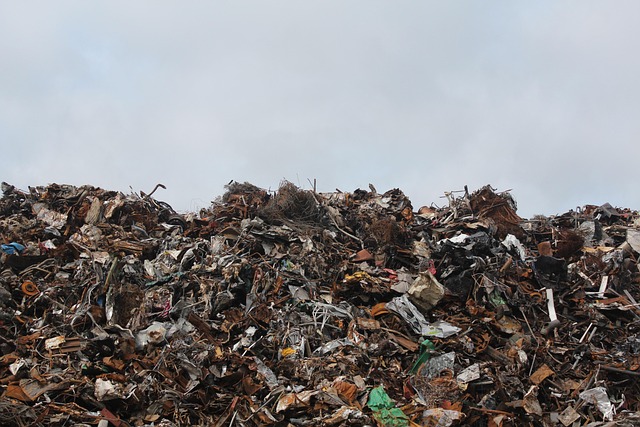
Boston tech junk removal services face a unique challenge: navigating the NYS Electronic Recycling Law requirements. This legislation, designed to ensure proper e-waste management in New York State, significantly impacts businesses and residents alike. The law mandates that electronic devices, from computers to smartphones, be recycled or disposed of responsibly, with strict penalties for non-compliance. Boston tech junk removal companies must partner with certified electronic recycling centers near them to follow NYS guidelines accurately.
For instance, according to recent data, over 200,000 tons of e-waste are generated in New York State annually, highlighting the urgency of adhering to these regulations. Non-compliance can result in substantial fines, ranging from $500 to $10,000 per violation, with potential legal repercussions. To avoid these pitfalls, Boston tech junk removal experts emphasize the importance of thorough training and ongoing education on NYS legislation. They recommend working closely with recycling centers that are licensed and certified to handle various types of e-waste, ensuring that every device is recycled or disposed of in an environmentally responsible manner.
In practice, this means implementing robust systems for identifying and categorizing electronic items, proper packaging, and secure transportation to approved recycling facilities. By embracing these best practices, Boston tech junk removal services can not only meet their legal obligations but also contribute to a sustainable future by reducing the environmental impact of e-waste. They should stay informed about any updates or changes in NYS legislation, as revisions may introduce new requirements or modify existing ones, ensuring they remain compliant at all times.
Sustainable Solutions for Business Waste Management

Boston's tech scene is renowned worldwide, generating significant electronic waste (e-waste) as a result. To address this challenge, businesses must embrace sustainable solutions for waste management, aligning with both industry best practices and local regulations like the NYS electronic recycling law Boston implements. Effective e-waste disposal isn't merely an environmental responsibility; it's also a strategic move to avoid NYS penalties for non-compliance with e-waste recycling laws in Boston.
NYS electronic waste disposal regulations stipulate specific guidelines for businesses generating and managing e-waste, including proper collection, storage, and recycling of electronic devices. The NYS electronic recycling law Boston incorporates requires businesses to implement programs that ensure 100% of certain types of e-waste are recycled or reused, setting a high bar for responsible disposal practices. For instance, businesses must handle computers, phones, and other electronics according to these regulations, ensuring they don't end up in landfills where hazardous materials can leach into the environment.
To stay compliant and contribute to a greener future, Boston tech businesses should adopt comprehensive e-waste management strategies. This includes investing in proper equipment for sorting and recycling, partnering with reputable electronic recycling centers, and educating employees on responsible disposal practices. By adhering to these measures and the NYS electronic recycling law Boston enforces, companies not only avoid legal repercussions but also play a vital role in preserving Boston's natural landscape and contributing to a more sustainable future. Regularly reviewing and updating waste management protocols is essential, as technology evolves and so do environmental regulations, ensuring businesses stay ahead of the curve in their commitment to responsible e-waste disposal.
The Impact of Responsible E-Waste Disposal

Boston, a city at the forefront of technological innovation, faces unique challenges when it comes to managing electronic waste (e-waste). With a thriving tech sector, an ever-evolving digital landscape, and a population that embraces new technologies, responsible e-waste disposal has become a critical issue. The NYS electronic recycling law not only provides a framework for proper e-waste management but also empowers Boston residents with specific rights and obligations regarding the recycling of outdated electronics.
In light of these regulations, understanding the impact of responsible e-waste disposal is paramount. Improper disposal methods can lead to significant environmental and health risks, as electronic devices often contain hazardous materials such as lead, mercury, and cadmium. The NYS law requires that Boston consumers and businesses adhere to strict guidelines for recycling electronics, ensuring that materials are processed safely and responsibly. For instance, under the law, e-waste must be collected separately from regular trash, preventing potentially toxic components from ending up in landfills.
Boston residents have a crucial role to play in this process. By utilizing authorized recycling programs and facilities, they can ensure their old electronics are disposed of correctly. The city has several options for responsible e-waste disposal, including drop-off centers and collection events organized by local initiatives and partnerships with recycling companies. These programs not only facilitate the proper recycling of items like computers, phones, and TVs but also enable residents to access their rights as outlined in the NYS law, promoting a sustainable and safe technological future for Boston.
Community Initiatives for Green Tech Recycling in Boston

Boston, a city known for its intellectual prowess and technological innovation, is also at the forefront of sustainable practices, particularly in the realm of tech junk removal and electronic recycling. The city's commitment to environmental stewardship is evident through various community initiatives designed to promote green tech recycling. These efforts not only align with New York State's (NYS) electronic recycling law but also set a precedent for effective e-waste management across the nation.
One notable aspect of Boston's approach is its collaboration with local businesses and residents to establish numerous electronic recycling centers throughout the city. These centers serve as accessible points for Boston residents to responsibly dispose of their obsolete electronics, ensuring compliance with NYS guidelines. By implementing such infrastructure, Boston facilitates efficient e-recycling strategies, enabling citizens to participate actively in the city's green initiatives. For instance, a recent study revealed that proper e-waste recycling can significantly reduce greenhouse gas emissions, underscoring the environmental benefits of these local efforts.
Moreover, Boston's tech junk removal services often incorporate educational components, raising awareness about the importance of responsible electronic disposal. Through workshops and community events, residents learn about NYS's electronic recycling mandate and its impact on reducing e-waste in landfills. This knowledge empowers individuals to make informed choices when upgrading their technology or discarding old devices. By combining practical actions with public education, Boston fosters a culture of environmental responsibility among its tech-savvy population.
To further enhance compliance with NYS regulations, local recycling centers in Boston have adopted advanced sorting and processing techniques. These strategies ensure that various components of electronic devices are properly recycled, reused, or disposed of according to the law. By staying abreast of evolving technology and recycling methods, these centers play a pivotal role in Boston's ongoing efforts to meet and exceed state mandates for e-recycling. Such initiatives not only benefit the environment but also create opportunities for local businesses involved in the sustainable tech sector.
Boston's tech junk removal landscape is not just about efficient disposal but also sustainability, compliance, and community involvement. Key takeaways include the importance of understanding local regulations, such as the NYS electronic recycling law in Boston, for responsible e-waste management. Businesses can adopt sustainable solutions to reduce their environmental impact while community initiatives foster a greener approach to tech recycling. By navigating these aspects, organizations can contribute to a more eco-conscious future, ensuring proper disposal and potential resource recovery from tech junk. This comprehensive overview empowers readers with practical insights to make informed decisions regarding Boston's tech waste removal.