






Manhattan's tech sector generates significant electronic waste (e-waste), necessitating proper management under New York State's (NYS) strict Electronic Recycling Law. Boston, as a NYS city, has embraced this through certified e-recycling centers that meet environmental standards. Key aspects include:
– Secure data destruction for sensitive information.
– Tailored recycling programs for diverse electronics.
– Adherence to local and state guidelines, with detailed outcome reports.
– Continuous updates on regulatory changes.
These centers play a vital role in NYS electronic recycling law Boston, diverting e-waste from landfills and contributing to a circular economy. They educate the public and businesses on responsible digital disposal practices, aligning with global efforts to manage growing e-waste.
The growing e-waste problem in densely populated cities like Manhattan demands innovative solutions. With the constant evolution of technology, electronic devices become obsolete at an alarming rate, leading to a surge in e-waste, posing significant environmental challenges. New York State’s electronic recycling law (NYS E-Recycling Law) sets guidelines for proper disposal but leaves room for enhanced implementation. This article delves into the necessity and benefits of specialized e-recycling centers in Manhattan, offering an efficient and secure method to handle this growing issue. By exploring proven strategies, we aim to provide valuable insights into sustainable practices that benefit both residents and the environment.
- Understanding E-Waste in Manhattan: A Local Perspective
- Navigating NYS Electronic Recycling Law: What You Need to Know
- The Rise of E-Recycling Centers: Benefits and Impact
- Choosing the Right Facility: Ensuring Responsible Disposal
- Sustainable Future: Manhattan's Digital Waste Revolution
Understanding E-Waste in Manhattan: A Local Perspective

Manhattan, with its bustling tech hub and vibrant business scene, generates a significant volume of electronic waste, or e-waste. Understanding the proper management and disposal of this digital byproduct is crucial for both businesses and residents alike. New York State’s (NYS) strict electronic recycling law underscores the importance of responsible e-waste handling, mandating that all businesses implement NYS-compliant recycling programs. Boston, as a major city within the state, has embraced this initiative and taken significant steps to ensure safe disposal of electronics under the NYS framework.
The challenge lies in navigating the complex web of NYS-mandated electronic recycling solutions. Businesses in Boston are encouraged to partner with certified e-recycling centers that adhere to stringent environmental standards. According to recent statistics, proper e-waste management can divert up to 90% of materials from landfills, minimizing the environmental impact and maximizing resource recovery. For instance, many local businesses have collaborated with specialized recycling programs to collect and recycle outdated computers, phones, and other electronics, contributing to Boston’s commitment to sustainable e-waste disposal.
One of the key aspects of effective e-recycling is ensuring that sensitive data is securely erased before devices are recycled. This involves employing certified data destruction methods to protect privacy and maintain compliance with NYS regulations. Additionally, businesses should educate their employees on responsible e-waste generation practices, such as proper device disposal and recycling awareness. By integrating these measures into daily operations, Boston can continue to lead the way in sustainable e-waste management under the NYS electronic recycling law.
Navigating NYS Electronic Recycling Law: What You Need to Know

Navigating New York State’s Electronic Recycling Law in Manhattan
In an era where electronic devices play a pivotal role in our daily lives, managing e-waste responsibly has become a paramount concern for cities like Manhattan, New York. The NYS Electronic Recycling Law (NYS ERL) provides a robust framework to ensure proper disposal and recycling of electronic items, aiming to reduce environmental impact and promote resource conservation. This law not only dictates the process of e-waste recycling but also outlines specific guidelines for businesses, residents, and organizations operating within the state. Manhattan’s unique position as a bustling metropolis adds complexity to these directives, requiring careful consideration in order to comply effectively.
Understanding the NYS ERL is crucial for both businesses conducting e-waste recycling events in Boston and residents looking to responsibly dispose of their old electronics. The law categorizes electronic devices into several classes, each with its own disposal methods and restrictions. For instance, items like computers, phones, and TVs are classified as “Universal Waste” and must be recycled through approved facilities, while smaller devices such as batteries and lamps have specific requirements based on their hazardous properties. Adhering to these regulations not only avoids legal penalties but also ensures that e-waste is processed safely and in line with environmental best practices.
The best time to recycle electronics under Boston’s NYS regulations is during organized e-waste recycling events or at permanent drop-off facilities designated by local authorities. These events often occur throughout the year, providing convenient opportunities for residents to dispose of their old devices responsibly. For instance, Manhattan’s Department of Sanitation regularly conducts special collection programs for e-waste, allowing residents to drop off items like computers, phones, and small appliances at specified locations. Utilizing these resources not only facilitates compliance with NYS electronic waste disposal regulations but also contributes to the city’s overall sustainability efforts.
By strictly adhering to the NYS ERL, Manhattan can play a pivotal role in reducing its environmental footprint while ensuring that valuable materials are recovered from e-waste. This includes proper segregation and recycling of components like metals, plastics, and glass, which can be repurposed into new products, thus fostering a circular economy. In light of the ever-evolving landscape of technology and the growing volume of e-waste, staying informed about and complying with NYS electronic recycling law is essential for all stakeholders in Manhattan’s vibrant community.
The Rise of E-Recycling Centers: Benefits and Impact
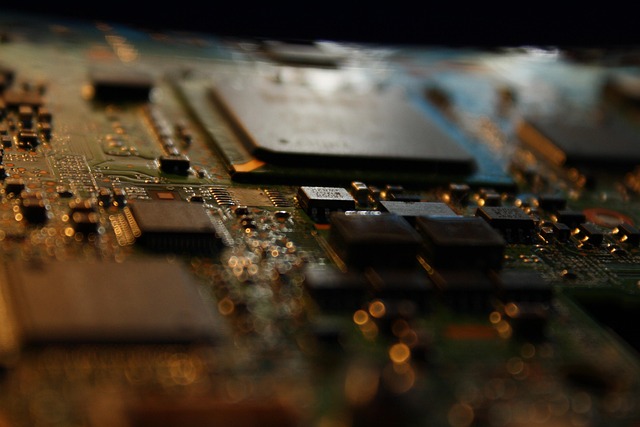
The rise of e-recycling centers in Manhattan reflects a growing global trend toward sustainable electronic waste management. As awareness of environmental issues intensifies, cities like Boston—a tech hub often referred to as a “metropolis of innovation”—are at the forefront of implementing effective solutions. The NYS electronic recycling law has played a pivotal role in shaping Boston’s approach to responsible e-waste recycling, ensuring compliance with state laws and regulations. This legislation mandates that businesses and residents properly dispose of electronic devices, fostering a culture of eco-consciousness.
Boston’s adherence to these guidelines is notable, as the city grapples with the challenges of managing an ever-growing volume of electronic waste. According to recent data, the average American generates around 40 pounds of e-waste annually, and Boston, with its tech-driven economy, contributes significantly to this figure. To address this issue, local e-recycling centers have emerged as game-changers, offering convenient drop-off points for residents and businesses alike. These centers employ state-of-the-art technology to recycle and refurbish electronic items, giving them a second life. For instance, many Manhattan centers specialize in recycling e-waste from obsolete computers and phones, diverting precious materials from landfills.
NYS-mandated electronic recycling solutions have not only reduced the environmental impact of e-waste but also created new opportunities for businesses. By partnering with certified e-recycling centers, companies can ensure they meet their legal obligations while contributing to a circular economy. This approach promotes sustainable practices and fosters a reputation for corporate social responsibility. For Manhattan businesses, complying with NYS regulations is not just an ethical imperative but also a strategic decision that can enhance their public image and attract environmentally conscious customers.
Choosing the Right Facility: Ensuring Responsible Disposal
Choosing the right e-recycling center in Manhattan is crucial to ensure responsible disposal under NYS electronic waste disposal regulations. The state’s comprehensive NYS electronic recycling law necessitates that businesses have clear options for recycling electronics safely and legally. In Boston, for instance, many centers claim compliance with these NYS regulations, but understanding the specifics of the law and its implications is key to making an informed decision.
Business recycling options for electronics under NYS law in Manhattan encompass various facilities, from large-scale e-recycling centers to smaller partnerships with certified recyclers. Organizations must carefully assess each facility’s capabilities, experience, and adherence to state standards. A meticulous review of their processes, certifications, and data security measures is essential to safeguard sensitive business information. Moreover, reputable centers will provide detailed reports on the recycling outcomes, ensuring electronic waste (e-waste) is processed in alignment with the NYS electronic recycling law and global best practices.
When selecting a facility, prioritize those that employ secure data destruction methods, as per NYS regulations, to protect against data breaches. Reputable e-recycling centers in Manhattan will offer services tailored to businesses, including on-site collection events, pick-up options, and customized recycling programs. They should also be capable of handling various types of electronics, from computers and phones to larger equipment, ensuring a comprehensive disposal solution that adheres to both local and state guidelines. Regular communication with the chosen facility regarding changes in NYS electronic waste disposal regulations is vital to maintain compliance.
Sustainable Future: Manhattan's Digital Waste Revolution

Manhattan, a bustling metropolis known for its innovation and forward-thinking approach to urban living, is at the forefront of a digital waste revolution that promises a sustainable future. The city’s e-recycling centers play a pivotal role in this transformation, aligning with the NYS electronic recycling law and Boston’s commitment to environmental stewardship. By adopting robust local e-waste drop-off locations following the guidelines set by the NYS electronic waste disposal regulations, Manhattan is setting an example for effective digital waste management.
The need for such initiatives has become increasingly pressing as the volume of electronic waste (e-waste) continues to grow exponentially worldwide. According to recent studies, over 50 million metric tons of e-waste are generated globally each year, with a significant portion originating from urban centers like Manhattan. The proper disposal and recycling of this digital byproduct are crucial not just for environmental preservation but also for ensuring the responsible extraction of valuable materials. Manhattan’s e-recycling centers address these challenges by employing advanced technologies and adhering to strict environmental standards.
Boston, as a neighboring city with a strong commitment to sustainability, has actively aligned itself with the NYS electronic recycling mandate. Local businesses and residents are encouraged to utilize the numerous drop-off locations available throughout Manhattan, ensuring that e-waste is handled in an eco-friendly manner. These centers not only facilitate the recycling of items such as computers, phones, and appliances but also educate the public on responsible digital disposal practices. By embracing these measures, Manhattan takes a significant step towards reducing its environmental footprint, contributing to a greener and more sustainable future for both itself and neighboring regions like Boston.
In exploring e-recycling centers in Manhattan, this article has illuminated several key insights. Firstly, understanding the local perspective on e-waste is crucial for effective navigation of the NYS electronic recycling law, ensuring compliance and responsible disposal. The rise of e-recycling centers brings significant benefits, revolutionizing digital waste management with sustainable practices. Choosing the right facility is paramount, as it directly impacts environmental stewardship and data security. Manhattan’s digital waste landscape is evolving, positioning the city as a game changer in the global effort to manage e-waste responsibly, particularly through the implementation of the NYS electronic recycling law Boston. Readers are now equipped with knowledge to make informed decisions regarding their electronic waste disposal, contributing to a greener future for the metropolis and beyond.