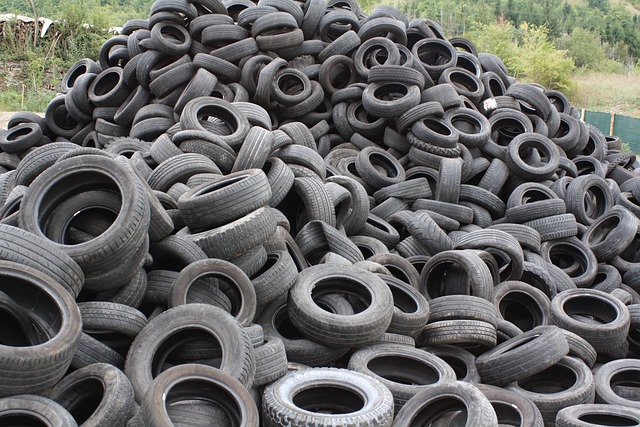








The NYS Electronic Recycling Law in Boston mandates responsible e-waste management through recycling, reuse, and repurposing. Businesses comply by offering drop-off locations, internal recycling programs, and innovative solutions like community events. The law promotes a circular economy, reduces toxic waste, and fosters local sustainability initiatives with incentives like tax credits and grants. Boston residents actively participate, ensuring proper e-waste disposal and contributing to the city's environmental and economic well-being.
In the rapidly evolving digital landscape, responsible management of electronic waste has become a pressing global concern. The sheer volume and complexity of e-waste, particularly in densely populated urban centers like Boston, pose significant environmental and health challenges. New York State’s (NYS) electronic recycling law emerges as a beacon of progress, offering a comprehensive framework to mitigate these issues. This article delves into the intricacies of the NYS e-recycling incentives, exploring how this groundbreaking initiative can serve as a model for other states, fostering a more sustainable and responsible future for both Boston and beyond.
- Understanding NYS Electronic Recycling Law
- Benefits of E-Recycling for Boston Residents
- Identifying Acceptable E-Waste Items
- Local Collection Points & Events in NYC
- Correct Disposal Methods to Prevent Toxic Waste
- Incentives and Rewards for Responsible Recycling
Understanding NYS Electronic Recycling Law

The New York State (NYS) Electronic Recycling Law is a comprehensive regulation aimed at minimizing the environmental impact of electronic waste, often referred to as e-waste. Understanding this law is crucial for businesses and residents in Boston, a city that has embraced sustainable practices, including proper e-waste management. The NYS law sets clear guidelines on how to recycle electronics responsibly, ensuring that both the metropolis and its surrounding areas handle old technology in an eco-friendly manner.
Compliance with the NYS electronic recycling law involves several key steps. First, businesses and residents must ensure that all electronic devices, from computers and phones to small appliances, are recycled through approved facilities. Boston has several certified e-recycling centers, making it easy for locals to dispose of their old tech responsibly. Proper disposal is essential because many electronic components contain hazardous materials that can contaminate soil and water if not handled correctly. For instance, certain types of computers and monitors may contain lead, while fluorescent lights contain mercury, substances that require specialized treatment.
In addition to proper disposal, the law encourages a circular economy by promoting the reuse and repurposing of electronics. Boston’s e-waste recycling programs often include drop-off events where residents can donate working or partially functional devices to be refurbished or reused. This approach not only reduces the demand for new materials but also extends the lifespan of valuable resources. Recent updates to Boston’s e-waste recycling laws have further emphasized the importance of data security during the recycling process, ensuring that sensitive information stored on old devices is properly erased or secured.
Benefits of E-Recycling for Boston Residents

Boston residents benefit from a robust system for electronic waste (e-waste) management, largely thanks to the NYS electronic recycling law. This legislation sets clear guidelines for proper e-recycling and disposal of electronics, ensuring that both individuals and businesses can contribute to sustainable practices while adhering to stringent environmental standards. In contrast to some other states, NYC and Boston’s implementation of the NYS electronic waste disposal regulations is noteworthy for its comprehensive nature, offering multiple channels for responsible recycling.
One key advantage lies in the frequent e-recycling events organized under the NYS law framework. These events provide convenient opportunities for residents to dispose of old electronics responsibly, with proper sorting and processing guaranteed. For instance, Boston’s annual e-waste collection days have seen significant participation, diverting thousands of pounds of e-waste from landfills. Similarly, businesses in Boston have embraced their obligations under the NYS law, offering drop-off locations or partnering with certified e-recycling facilities to ensure all electronic assets are recycled or reused according to the latest standards.
Moreover, the NYS law encourages businesses to explore innovative recycling options for various electronic components, from computers and phones to larger machinery. Many Boston companies now offer take-back programs or work with specialized recyclers who can break down complex electronics, recovering valuable materials like precious metals, plastics, and glass. By embracing these responsible practices, both residents and businesses contribute to the regional economy while minimizing environmental impact, making e-recycling a vital component of Boston’s sustainable future.
Identifying Acceptable E-Waste Items

Identifying Acceptable E-Waste Items Under NYS Electronic Recycling Law
Under the guidance of the New York State (NYS) electronic recycling law, Boston has made significant strides in sustainable e-waste disposal practices. The city’s commitment to adhering to state mandates is evident in its robust electronic waste management strategies, which include identifying and categorizing acceptable e-waste items appropriately. This meticulous process ensures that hazardous materials are handled with care and recycled or disposed of in an environmentally responsible manner. For instance, Boston has implemented strict guidelines for businesses participating in the NYS incentives program, encouraging them to accept a wide range of electronic devices, from outdated computers and smartphones to small home appliances and lighting fixtures.
One of the key aspects of successful e-waste management is recognizing what items are considered acceptable under the NYS law. This includes electronics like desktop computers, laptops, tablets, printers, scanners, and keyboards. Additionally, smaller devices such as mobile phones, e-readers, and GPS units are also welcome contributors to Boston’s recycling efforts. Even less common items like electric shavers, hair dryers, and small kitchen appliances can be recycled if they contain electronic components. The city has established numerous collection points, including drop-off locations at local businesses and municipal facilities, making it convenient for residents and businesses alike to participate in the NYS incentives for e-recycling.
Boston’s adherence to state laws and regulations is not only a demonstration of its environmental stewardship but also a strategic move to stay ahead in the global push for sustainable practices. By identifying and categorizing acceptable e-waste items accurately, Boston ensures that it meets the NYS standards while maximizing the potential for resource recovery. The city’s efforts are further boosted by the NYS incentives program, which offers financial benefits to businesses that actively promote and participate in electronic recycling. This collaborative approach not only fosters a healthier environment but also strengthens Boston’s position as a leader in responsible e-waste management.
Local Collection Points & Events in NYC

New York State’s (NYS) electronic recycling law has significantly influenced urban areas like New York City (NYC), leading to an expansion of local collection points and e-recycling events. NYC has embraced this initiative, aligning its practices with the state regulations, which mandate responsible disposal and recycling of electronic waste (e-waste). The city’s diverse landscape offers various collection methods, including drop-off centers, mail-in programs, and public events, ensuring accessibility for residents to responsibly dispose of their e-waste.
Comparing NYC to other cities like Boston, we find similarities in the adherence to NYS electronic recycling law. Both cities have implemented comprehensive programs that facilitate proper e-waste management. While Boston’s specific initiatives may vary, the underlying framework is comparable, emphasizing a shared commitment to environmental stewardship. The NYS-aligned regulations encourage innovative e-recycling methods, such as mobile collection events and community drop-off locations, which have gained popularity in NYC. These strategies not only increase participation rates but also make e-waste disposal more convenient for residents.
The success of NYC’s e-recycling program can be attributed to several factors. Firstly, the city’s dense population provides a ready source of e-waste, ensuring consistent demand for collection services. Secondly, public awareness campaigns and educational initiatives have played a crucial role in encouraging responsible disposal practices among residents. Additionally, partnerships between local businesses, non-profits, and government agencies have been instrumental in organizing events and providing dedicated collection points. For instance, the city’s annual e-waste collection events attract thousands of participants, showcasing the community’s engagement with sustainable practices.
To further enhance these efforts, NYC can focus on providing specialized training for workers involved in e-recycling processes, ensuring they stay up-to-date with the latest NYS electronic waste disposal regulations. This includes training in proper handling and disassembly techniques, which are essential for maximizing recycling rates and minimizing environmental impact. By combining robust collection infrastructure with skilled labor, NYC can continue to set a standard for e-waste management, inspiring other urban centers to follow suit and embrace sustainable practices on par with the NYS electronic recycling law.
Correct Disposal Methods to Prevent Toxic Waste

The correct disposal of electronic waste is a critical component of New York State’s (NYS) efforts to promote sustainable practices and mitigate environmental harm caused by toxic e-waste. With a growing awareness of the ecological impact of electronic devices, NYS has implemented robust regulations and offered incentives to encourage businesses in Boston and across the state to adopt responsible e-recycling methods. The NYS electronic recycling law underscores the state’s commitment to reducing the harmful effects of improper disposal, which can lead to the release of hazardous substances into the environment.
Boston area businesses bear a significant responsibility under the NYS law to ensure proper e-waste management. This includes providing accessible drop-off locations for consumers and implementing internal recycling programs. Many Boston-based companies have taken up this challenge, recognizing their role in the region’s environmental stewardship. For instance, major tech corporations have established comprehensive take-back programs, allowing customers to return old devices for responsible recycling. These initiatives not only comply with state regulations but also contribute to a circular economy by conserving resources and reducing the need for virgin materials.
NYS offers enticing incentives to businesses that actively promote electronic recycling. Tax credits and grants are available to entities that invest in advanced e-recycling infrastructure and education programs. These incentives have spurred many Boston area businesses to adopt innovative solutions, such as partnering with local non-profits to host community e-waste collection events. Additionally, the state’s environmental initiatives, like the Electronic Recycling Incentives Program, provide guidance and support to businesses seeking to enhance their recycling practices. By combining regulatory measures and financial incentives, NYS is fostering a culture of responsible e-waste management in Boston, setting an example for other cities to follow.
Incentives and Rewards for Responsible Recycling

Incentives play a crucial role in encouraging responsible electronic recycling practices, and New York State (NYS) has taken significant steps to promote sustainable e-waste management through its electronic recycling law. This legislation not only establishes directives for proper disposal but also offers various incentives for individuals and businesses alike. For instance, NYS provides tax credits for businesses that invest in NYS-mandated electronic recycling solutions, ensuring a financial reward for those who prioritize eco-friendly practices.
Boston, aligning with the state’s guidelines, has witnessed a surge in e-waste recycling events, fostering community engagement. These initiatives not only collect and recycle outdated electronics but also educate residents on responsible disposal methods. For businesses operating within Boston under NYS directives, the benefits are clear. Implementing approved electronic recycling programs can reduce costs associated with improper disposal, as well as enhance their environmental reputation. A comparison of e-recycling methods in NYC and Boston reveals consistent approaches, both utilizing certified facilities and promoting drop-off events, ensuring compliance with NYS standards.
Furthermore, the state’s law encourages innovation by rewarding businesses that develop creative solutions for recycling specific types of e-waste. This has led to advanced recycling techniques, such as the disassembly of complex electronics, which can extract valuable materials more efficiently. By participating in these initiatives, Boston businesses can contribute to a circular economy while adhering to the NYS electronic recycling law. Ultimately, the incentives and rewards associated with responsible recycling encourage a culture of sustainability, benefitting both local communities and the environment.
The article offers a comprehensive guide to navigating the NYS electronic recycling law Boston residents can leverage for responsible e-waste management. Key takeaways include the significant environmental benefits of e-recycling, such as reducing toxic waste and conserving resources. Understanding acceptable e-waste items under the NYS electronic recycling law is crucial, encompassing everything from computers and phones to small appliances. Local collection points and events in NYC are readily available, making responsible disposal accessible for all. Correct disposal methods, emphasizing the importance of non-landfill options, prevent harmful chemicals from entering the environment. Furthermore, incentives and rewards for responsible recycling, as outlined in the law, motivate individuals to participate actively in e-waste reduction efforts. By adhering to these guidelines, Boston residents can play a vital role in protecting their community and the environment, ensuring a sustainable future through proper NYS electronic recycling law Boston compliance.