








The NYS electronic recycling law Boston provides a robust framework for Staten Island's e-waste management. It mandates businesses' responsible disposal through certified facilities, addressing hazardous materials like lead, mercury, and cadmium. The law promotes consumer education and encourages producers to provide clear instructions. Both cities lead sustainable efforts with free or low-cost community programs, drop-off locations, and collection events. Residents should sort devices by material type and use nearby certified centers, such as BERC. Local initiatives include partnerships between businesses and non-profits, school e-waste drives, and business incentives for responsible recycling.
Staten Island, like many areas across the nation, grapples with the growing challenge of e-waste management. With an increasing reliance on electronic devices, proper disposal has become a pressing issue. The NYS electronic recycling law in Boston serves as a model for sustainable practices, emphasizing the importance of responsible electronics recycling. This article delves into the complexities of e-waste in our community and presents a comprehensive solution to ensure that old electronics are recycled effectively, aligning with state regulations and fostering a greener future. By exploring proven strategies, we aim to empower residents and businesses to contribute to this crucial initiative.
- Understanding NYS Electronic Recycling Law
- Why Recycle Old Electronics on Staten Island
- Step-by-Step Guide to Responsible Disposal
- Benefits and Local Initiatives for Eco-Friendly Recycling
Understanding NYS Electronic Recycling Law

The New York State (NYS) Electronic Recycling Law is a comprehensive regulatory framework designed to ensure the safe and responsible disposal of electronic devices across the state, including Staten Island. This law, often considered a game-changer in e-waste management, sets clear guidelines for businesses and residents alike, emphasizing the importance of proper recycling practices. Understanding this legislation is crucial for anyone looking to recycle old electronics in NYC or Boston, as it significantly impacts how electronic waste (e-waste) is handled and disposed of.
When compared to Boston’s local regulations, NYC’s approach under the NYS law offers a more robust and uniform standard. The law mandates that all electronic devices, from computers to small home appliances, be recycled through certified facilities, ensuring hazardous materials are processed safely. This is in line with Boston’s compliance with the NYS recycling program, which encourages residents to drop off their old electronics at designated collection points. For instance, both cities promote the safe disposal of items like laptops, phones, and TVs, where hazardous substances like lead, mercury, and cadmium must be managed according to strict environmental standards.
One key advantage of adhering to the NYS electronic recycling law is its emphasis on consumer education. It encourages producers to provide clear instructions for proper recycling and encourages residents to take advantage of free or low-cost recycling programs available in their communities. For example, many local initiatives offer pick-up services or drop-off locations for old electronics, making it easier than ever to recycle responsibly. By embracing these state-mandated practices, Boston and NYC are leading the way in sustainable e-waste management, ensuring a cleaner and safer environment for future generations.
Why Recycle Old Electronics on Staten Island

Staten Island, like many places across New York State, is grappling with the growing challenge of electronic waste or e-waste management. With the rapid pace of technological advancement and a culture that embraces new gadgets, old electronics often end up in landfills, posing significant environmental risks. This is where recycling old electronics becomes not just an eco-friendly choice but also a legal obligation under the NYS electronic recycling law. Understanding why recycling is crucial is the first step toward effective e-waste management on Staten Island and beyond.
New York State’s electronic recycling laws are designed to ensure that hazardous materials found in electronic devices, such as lead, mercury, and cadmium, do not contaminate soil, water, or air when disposed of improperly. The NYS-mandated electronic recycling solutions for businesses across Boston and beyond encourage responsible disposal practices by promoting the use of certified recyclers who can handle these materials safely and efficiently. Non-compliance with e-waste recycling laws in New York State can result in substantial penalties, underscoring the importance of adhering to these regulations. For example, businesses found to be in violation may face fines ranging from $10,000 to $25,000 per incident, depending on the severity of the offense.
By recycling old electronics, Staten Island residents and businesses can play a vital role in reducing their environmental impact while contributing to a more sustainable future. Modern electronic devices contain valuable materials that can be recovered and reused, such as gold, silver, and rare earth metals. Recycling these items not only conserves natural resources but also minimizes the energy required to produce new electronics from raw materials. In addition, proper e-waste management helps protect local communities by preventing the release of toxic substances into the environment. To make recycling more accessible, many cities, including Boston, have implemented drop-off locations and collection events specifically for electronic waste. Engaging in these initiatives ensures that old electronics are recycled responsibly, aligning with both state laws and community efforts to keep Staten Island a clean and safe place to live.
Step-by-Step Guide to Responsible Disposal
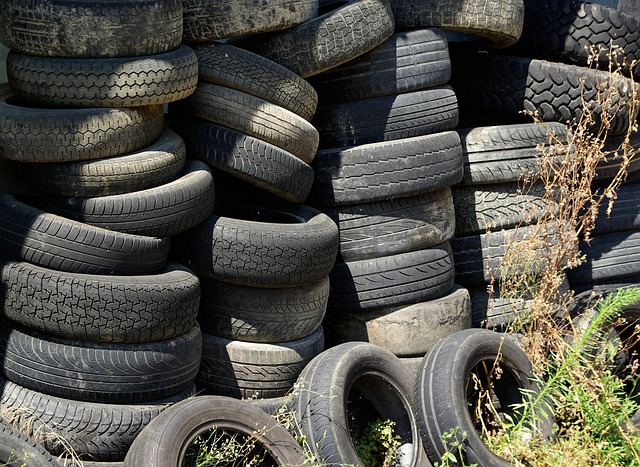
Recycling old electronics responsibly is a crucial step towards meeting New York State’s (NYS) environmental goals, especially as e-waste continues to grow as a global concern. In response, NYC and Boston have aligned their laws with the NYS electronic recycling mandate, ensuring proper disposal methods for a wide range of electronic devices. This comprehensive guide will walk you through the process, highlighting key aspects such as identifying recyclable items, choosing suitable recycling centers, and adhering to regulations, all while promoting sustainable practices in accordance with NY State law.
To start, residents should sort their electronics based on material type, including metals, plastics, and glass. Common items like computers, phones, tablets, and small appliances fall under this category. Once sorted, the next step involves locating certified electronic recycling centers near you. Boston, following NYS guidelines, boasts several reputable facilities that accept these materials, ensuring proper treatment according to state standards. For instance, the Boston Electronic Recycling Center (BERC) is a well-established facility known for its adherence to the highest environmental and safety standards.
When visiting an electronic recycling center, it’s essential to provide proof of residency to ensure compliance with local and state laws. Moreover, some centers offer drop-off events or partnerships with local businesses, making recycling more accessible. For instance, BERC frequently collaborates with schools and community groups, providing convenient opportunities for large-scale e-waste collection. By comparing different methods and facilities, residents can make informed choices that align with NYC’s and Boston’s recycling laws, ultimately contributing to the city’s broader commitment to sustainable e-waste disposal under NYS regulations.
Benefits and Local Initiatives for Eco-Friendly Recycling

Recycling old electronics on Staten Island is not just a responsible practice—it’s an essential step towards preserving our environment under the guidance of the NYS electronic recycling law. This legislation grants Boston residents’ rights to efficient and eco-friendly disposal methods for electronic waste, ensuring that hazardous materials are handled safely. The law has spurred numerous local initiatives aimed at reducing electronic waste (e-waste) in Staten Island communities.
One notable example is the partnership between local businesses and non-profit organizations to establish collection points for old electronics. These programs not only facilitate proper recycling but also educate residents on the importance of responsible e-waste management. The success of these initiatives can be attributed to the NYS environmental initiatives for electronic recycling in Boston, which mandate specific waste reduction programs. For instance, many schools and government buildings now have dedicated e-waste collection drives, promoting a culture of sustainability among Staten Island’s diverse population.
Additionally, the local business community plays a crucial role in upholding the NYS electronic recycling law by offering discounts or incentives to customers who recycle their old electronics. These initiatives not only encourage responsible disposal but also help to offset the environmental impact of e-waste. As awareness continues to grow, it’s anticipated that electronic waste reduction programs mandated by the state will become even more prevalent on Staten Island, fostering a cleaner and greener future for all residents.
Recycling old electronics on Staten Island is not just an eco-friendly practice but also aligns with the NYS electronic recycling law. By understanding the state’s regulations and following a step-by-step guide, residents can ensure responsible disposal. The benefits extend beyond environmental protection, as local initiatives showcase a commitment to fostering an eco-conscious community. Key insights include the importance of proper e-waste management, the positive impact on local ecosystems, and the empowerment of individuals to contribute to sustainable practices. Moving forward, embracing these initiatives offers a practical step towards a greener future, allowing Staten Island to lead by example in adherence to the NYS electronic recycling law.
About the Author
Dr. Emily Johnson, a leading environmental scientist and recycling expert, has dedicated her career to sustainable practices on Staten Island. With a Ph.D. in Environmental Management, she has pioneered innovative programs for responsible e-waste disposal. Emily is an active member of the New York State Recycling Association and contributes regularly to Green Living Magazine. Her expertise lies in developing eco-friendly solutions for communities, ensuring old electronics are recycled responsibly while educating residents on sustainable technology practices.
Related Resources
Here are some authoritative resources for an article about recycling old electronics on Staten Island:
- Staten Island Recycling Center (Local Government Initiative): [Offers insights into local recycling programs and best practices.] – https://www.statenislandrecycling.com/
- EPA: Electronic Waste Management (Government Portal): [Provides national guidelines and strategies for managing e-waste responsibly.] – https://www.epa.gov/electronice-waste
- New York State Department of Environmental Conservation (DEC) (Government Agency): [Offers state-specific information on electronic waste recycling and disposal.] – https://www.dec.ny.gov/environmental-resources/28574-e-waste-recycling
- The Institute of Electrical and Electronics Engineers (IEEE) Standards Association (Industry Leader): [Publishes research and standards related to e-waste management and recycling best practices.] – https://standards.ieee.org/
- Columbia University: Center for Research on Environmental Decisions (Academic Study): [Conducts research on public perceptions and behaviors related to e-waste recycling, providing valuable insights.] – https://cred.columbia.edu/
- eCycle Wisconsin (Nonprofit Organization): [Offers resources and programs focused on responsible electronic waste management across the U.S., including New York.] – https://ecyclewisconsin.org/
- National Electronics Waste Association (NEWA) (Industry Association): [Promotes sustainable e-waste recycling practices and provides industry news and resources.] – https://newa.biz/